

How to prepare construction sites for unexpected workplace spills
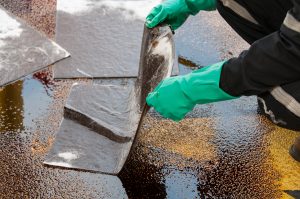 Oil absorbent pads are a convenient grab-and-throw solution for handling construction site spills
Spills happen. When they do, what extreme consequences could contractors and workers face? And how can chemical accidents negatively impact construction sites? These are especially important questions for contractors to keep in mind. Because industrial spills, and even stormwater runoff, can have dire consequences for construction environments and workers.
Oil absorbent pads are a convenient grab-and-throw solution for handling construction site spills
Spills happen. When they do, what extreme consequences could contractors and workers face? And how can chemical accidents negatively impact construction sites? These are especially important questions for contractors to keep in mind. Because industrial spills, and even stormwater runoff, can have dire consequences for construction environments and workers.
Employees who work with oil, diesel, solvents and other hazardous liquids must respond to spills immediately. These types of spills can affect vegetation, animals, people, and can even make their way into groundwater supplies. To effectively prepare, contractors must outfit their sites with equipment that allows crew members to respond quickly, efficiently, and successfully.
How? At bare minimum, every construction site should contain spill kits. Regardless of whether employees are working in an indoor or outdoor environment, spill kits provide all-in-one solutions to specific spill categories, giving contractors and the builders who work for them peace of mind.All spills have unforeseen consequences
 Spills left to advance and spread can cost contractors upwards of a hundred thousand dollars in site cleanup fees. That number doesn’t even include potential Environment Protection Agency (EPA) or Occupational Safety and Health Administration (OSHA) fines for violations. In any spill situation, it is the contractor’s responsibility to comply with all local, state, and federal regulatory agency guidelines.
At construction sites, diesel fuel can present major environmental issues. Contractors who keep diesel containers or vehicles on-site run the risk of developing drips and leaks as well as contaminating nearby water supplies, so proper preparation is imperative.
Spills left to advance and spread can cost contractors upwards of a hundred thousand dollars in site cleanup fees. That number doesn’t even include potential Environment Protection Agency (EPA) or Occupational Safety and Health Administration (OSHA) fines for violations. In any spill situation, it is the contractor’s responsibility to comply with all local, state, and federal regulatory agency guidelines.
At construction sites, diesel fuel can present major environmental issues. Contractors who keep diesel containers or vehicles on-site run the risk of developing drips and leaks as well as contaminating nearby water supplies, so proper preparation is imperative.
What kinds of solutions are available?
Spill kits are one way for site managers to easily handle construction site spill response. These kits come in three different categories that are typically color-coded:- Universal or General Purpose Kits – Include gray absorbents. Use them for cleaning up both water-based fluids and hydrocarbons. Such as oil or diesel from vehicles or construction machinery.
- Oil-Only Kits – Contain white absorbents that repel water, absorbing hydrocarbons only. Because they float, cleanup crews them to absorb oils from contaminated water.
- Hazmat Kits – Feature yellow absorbents designed to clean hazardous and aggressive fluids. Like acids, solvents and other chemicals.


